SPEAK TO US: 07791 321943

Therapeutic & Cultural Approach
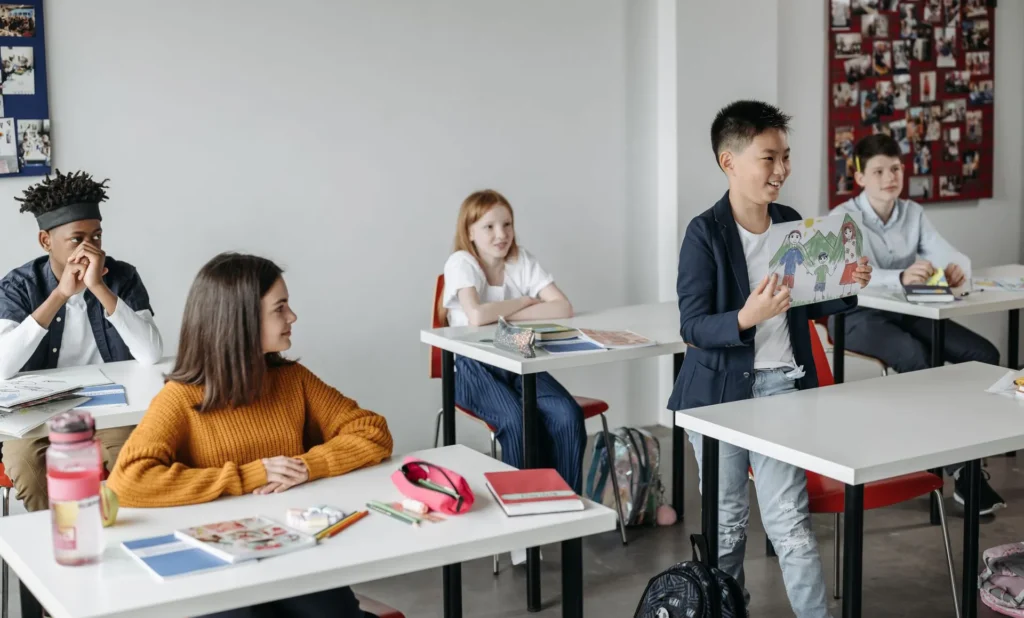
AYA College takes a relational, therapeutic and culturally grounded approach to education.
We understand that many young people struggle with learning because they lack potential. Often, they struggle because of the experiences, barriers, losses, anxieties or emotional burdens they are carrying. For some, school has become associated with failure, fear, conflict or disconnection. At AYA, we work to rebuild trust, safety and readiness for learning by understanding the whole child.

A therapeutic approach to learning
Our staff recognise that emotional wellbeing, relationships, self-belief and regulation are essential foundations for learning. We therefore aim to create an environment in which pupils feel emotionally safe, supported and understood.
This includes:
- strong, respectful relationships with trusted adults
- calm routines and predictable structure
- therapeutic and reflective approaches to behaviour and emotional support
- understanding behaviour as communication
- supporting regulation, repair and re-engagement after difficulty
- working closely with families and professionals to understand need

Tree of Life
A key part of our approach is the Tree of Life methodology, which helps young people explore their identity, strengths, relationships, roots, hopes and life experiences. This work supports emotional reflection, resilience, self-expression and a stronger sense of self.
Cultural identity and belonging
AYA is also shaped by the Sankofa philosophy: looking back with wisdom in order to move forward with purpose. We believe that identity, belonging, culture and heritage matter deeply in a young person’s sense of self-worth and confidence.
Our wider approach therefore seeks to help pupils:
- understand and value their story
- recognise their strengths and roots
- develop respect for difference and diversity
- engage with culture, heritage and wider perspectives
- grow in confidence, pride and aspiration
At AYA, therapeutic support and cultural understanding are not “extras”. They are part of how we help young people reconnect with themselves, with education and with the possibility of a different future.