SPEAK TO US: 07791 321943

RSE Curriculum Overview
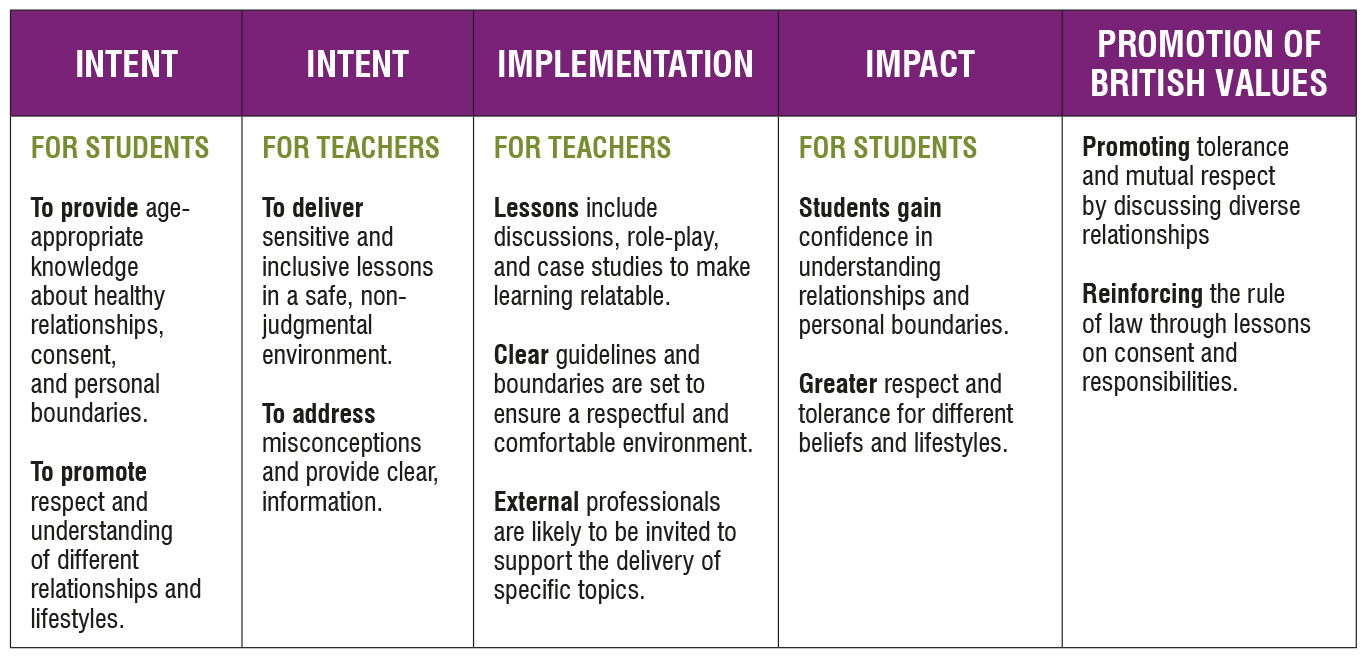
The Relationships and Sex Education (RSE) curriculum at Aya College is designed to provide students with the knowledge, skills, and values they need to develop healthy relationships, make informed choices, and navigate the complexities of growing up. Tailored specifically to meet the needs of students with Social, Emotional, and Behavioural Difficulties (SEBD), the RSE curriculum is delivered in a safe, inclusive, and supportive environment. It builds on personal development themes, promoting self-awareness, respect for others, and responsibility in relationships, while empowering students to make positive decisions about their health and well-being.
Aims of the RSE Curriculum
The RSE curriculum at Aya College seeks to:
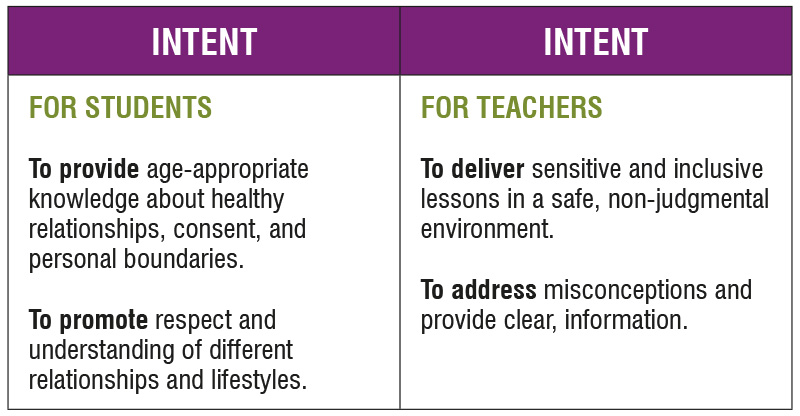
- Provide age-appropriate and accurate information about relationships, sexual health, and personal safety.
- Develop students’ emotional literacy, self-respect, and respect for others.
- Equip students with the tools to build and maintain healthy relationships.
- Promote self-confidence and resilience to manage challenges and peer pressure.
- Help students understand their rights and responsibilities in relationships and as citizens.
- Teach students how to recognise inappropriate behaviour, including abuse and exploitation, and provide strategies for seeking help.
Key Themes in the RSE Curriculum
The RSE curriculum is tailored to the individual needs and maturity levels of students and is based on three overarching themes: Relationships, Sexual Health and Well-being, and Personal Safety.
1. Relationships
This theme focuses on helping students understand and develop healthy, respectful relationships in all aspects of their lives.
Core Topics:
- Friendships and Peer Relationships: Understanding trust, mutual respect, and healthy boundaries.
- Family Relationships: Exploring diverse family structures and the importance of support and respect within families.
- Romantic and Intimate Relationships: Understanding commitment, love, and the emotional aspects of relationships.
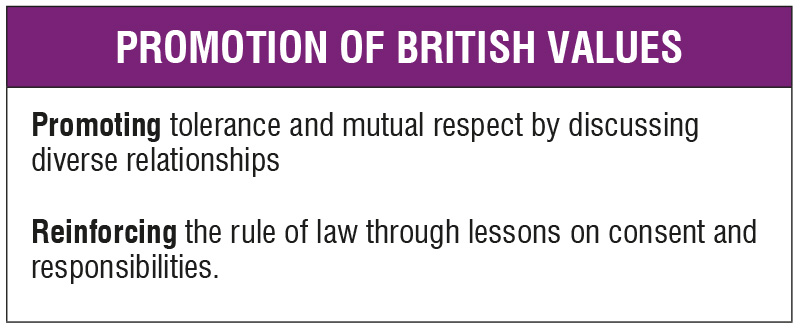
- Diversity and Inclusion: Promoting acceptance of people from all backgrounds, including discussions on LGBTQ+ relationships and equality.
- Managing Conflict and Peer Pressure: Strategies for resolving disagreements and resisting negative influences.
Goals:
- Help students recognise the characteristics of healthy and unhealthy relationships.
- Promote the importance of empathy, kindness, and mutual respect.
- Encourage students to develop positive communication and conflict resolution skills.
2. Sexual Health and Well-being
This theme provides accurate and age-appropriate information on sexual health, reproduction, and the changes associated with puberty.
Core Topics:
- Puberty and Body Changes: Understanding physical and emotional changes during adolescence.
- Reproduction and Contraception: Exploring how reproduction works, different methods of contraception, and their importance.
- Sexual Health: Awareness of sexually transmitted infections (STIs), how to prevent them, and where to seek help.
- Consent and Boundaries: Understanding the importance of consent in all relationships.
- Body Image and Self-Esteem: Promoting a positive body image and self-worth.
Goals:
- Equip students with the knowledge to make informed decisions about their sexual health.
- Foster a positive attitude towards their own bodies and the changes they experience.
- Develop awareness of the importance of consent and respect in intimate relationships.
3. Personal Safety
This theme focuses on empowering students to recognise risks, protect themselves, and seek help when needed.
Core Topics:
- Online Safety and Digital Behaviour: Understanding risks associated with social media, sexting, and online grooming.
- Recognising Abuse and Exploitation: Identifying signs of unhealthy or abusive relationships, including coercive control and exploitation.
- Boundaries and Privacy: Understanding personal boundaries, respecting others’ boundaries, and the importance of privacy.
- Seeking Help and Support: Knowing where and how to access support services, including trusted adults and helplines.
Goals:
- Teach students how to stay safe in both physical and digital environments.
- Help students identify and report inappropriate or harmful behaviours.
- Empower students to take control of their personal safety and well-being.
Approach to RSE at Aya College
The RSE curriculum is tailored to meet the unique needs of SEBD learners and is delivered in a way that is sensitive, inclusive, and engaging.
Safe and Supportive Environment:- Lessons are delivered in a calm, respectful, and non-judgemental setting where students feel comfortable discussing sensitive topics.
- Clear ground rules are established to ensure privacy, respect, and inclusivity.
Differentiated and Flexible Content:
- Lessons are adapted to suit the maturity, ability, and emotional needs of each student.
- Sensitive topics are approached with care, ensuring students feel supported and valued.
Interactive and Practical Learning:
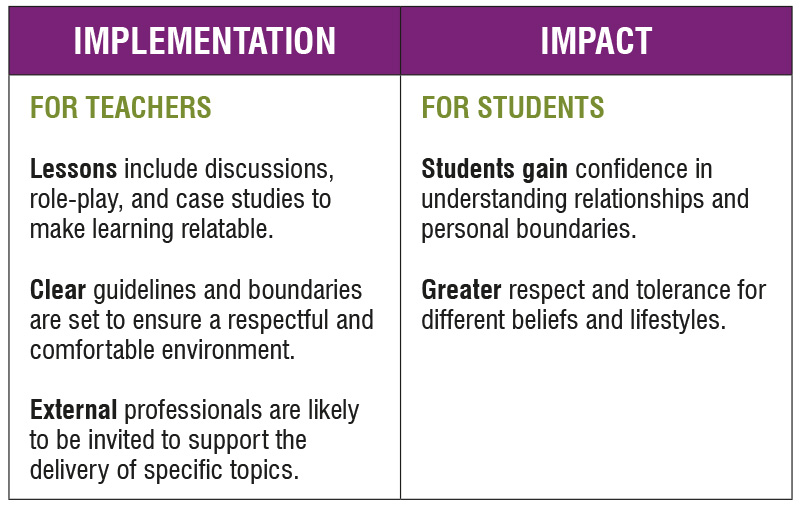
- Lessons include group discussions, role-playing scenarios, and multimedia resources to engage students and promote active learning.
- Real-life examples and case studies are used to help students relate to the content.
Therapeutic Approach:
- Emotional well-being is prioritised, with time for reflection and opportunities for students to discuss their feelings in a safe space.
- Staff are trained to handle sensitive issues and provide additional support where needed.
SEBD Considerations in RSE
- Building Emotional Literacy: Students are supported in identifying and expressing their emotions and understanding how these relate to their relationships and decisions.
- Promoting Self-Confidence: Lessons empower students to set boundaries, recognise their own worth, and make decisions that align with their values.
- Reducing Anxiety: Clear communication and a sensitive approach help students feel comfortable discussing challenging topics.
- Encouraging Respect and Empathy: Focus is placed on understanding and respecting the feelings and needs of others.
Cross-Curricular Links
RSE themes are reinforced across the broader curriculum:
- PSHE: Links to emotional well-being, personal safety, and healthy relationships.
- Science: Reinforces biological aspects of reproduction, puberty, and sexual health.
- ICT: Supports lessons on online safety and responsible digital behaviour.
- English: Develops communication and discussion skills through debates and reflective writing.
Assessment
RSE is not formally assessed like other subjects, but progress is monitored through:
- Discussions and Group Work: Observing engagement, participation, and understanding during lessons.
- Personal Reflection: Encouraging students to reflect on their learning and how it applies to their lives.
- Teacher Observations: Monitoring changes in attitudes, behaviours, and confidence over time.
Overall Impact
The RSE curriculum at Aya College aims to:
- Equip students with the knowledge and skills to build healthy relationships and make informed choices.
- Promote emotional well-being, resilience, and self-confidence.
- Help students navigate adolescence and adulthood with greater understanding and awareness.
- Prepare students for the challenges of modern life, including managing relationships, safeguarding their well-being, and respecting others.
By providing a safe, inclusive, and flexible learning environment, Aya College ensures that all students can engage with RSE in a way that is meaningful and empowering. The curriculum focuses not only on knowledge but also on building the confidence and resilience students need to thrive in their personal lives and relationships.