SPEAK TO US: 07791 321943

IPSHE Curriculum Overview
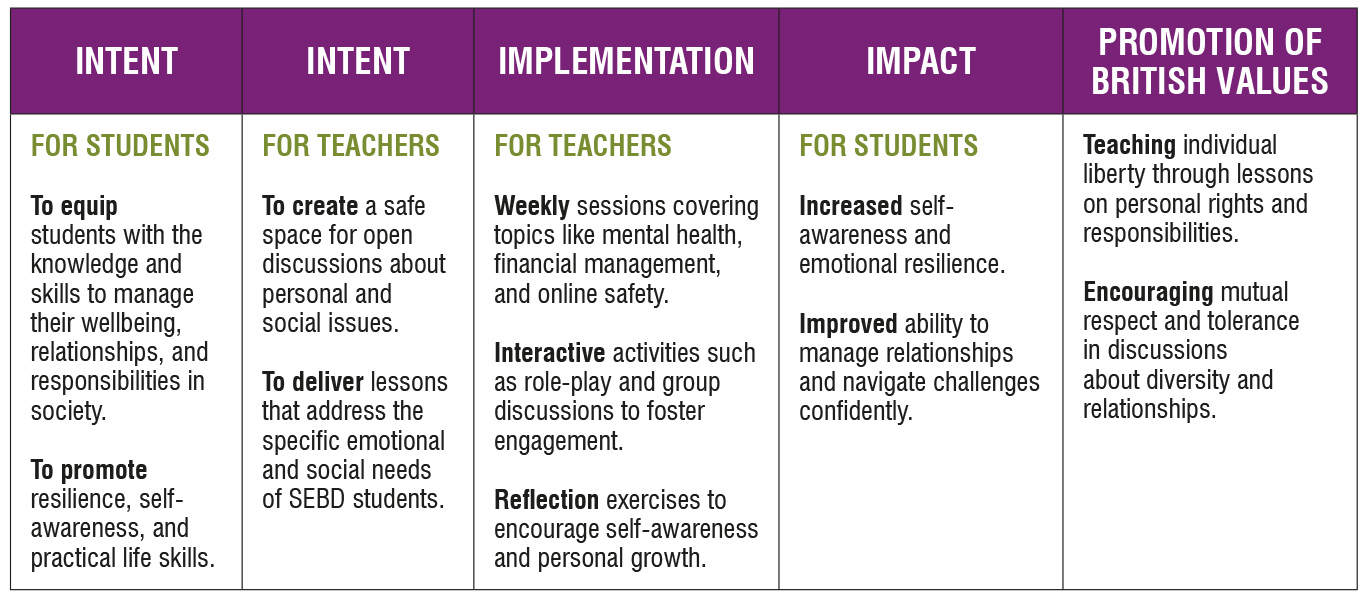
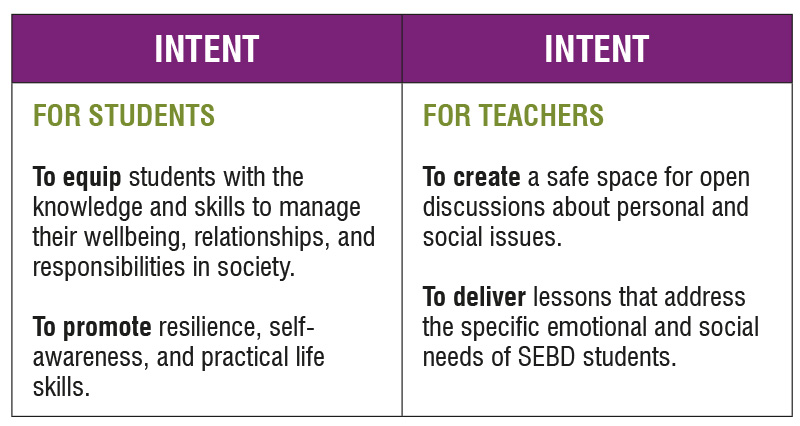
The PSHE (Personal, Social, Health, and Economic Education) Curriculum at Aya College is an integral part of the school’s approach to supporting the personal development, well-being, and future readiness of students. Tailored to meet the specific needs of learners with Social, Emotional, and Behavioural Difficulties (SEBD), the PSHE programme provides a safe and supportive space for students to develop the knowledge, skills, and values necessary for leading healthy, confident, and responsible lives.
Through engaging and accessible lessons, the curriculum equips students with the tools to make informed decisions, build resilience, and contribute positively to society. It also prepares them for the challenges of adult life, including relationships, health, careers, and financial independence.
Aims of the PSHE Curriculum
The PSHE curriculum at Aya College is designed to:
- Promote emotional well-being and mental health through self-awareness and resilience-building activities.
- Equip students with the skills and confidence to develop healthy relationships and make informed, safe choices.
- Educate students about personal safety in the physical and online world.
- Prepare students for the responsibilities of adulthood, including financial literacy, career planning, and active citizenship.
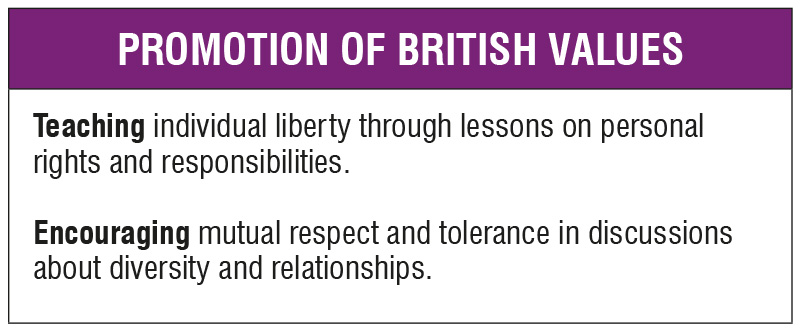
- Foster an understanding of diversity, equality, and mutual respect.
Key Stage 3 (KS3): Laying the Foundations
At KS3, the focus is on introducing students to key themes around health and well-being, relationships, and living in the wider world. The curriculum builds foundational skills and knowledge that will support students as they grow and mature.
Core Themes at KS3:
- Health and Well-being:
- Understanding emotions and developing strategies for managing mental health.
- Recognising the importance of physical health, including exercise, nutrition, and sleep.
- Learning about puberty and the physical and emotional changes of adolescence.
- Substance awareness: Understanding the risks of alcohol, smoking, and drugs.
- Relationships:
- Developing positive friendships and managing peer pressure.
- Exploring the importance of respect, empathy, and effective communication.
- Addressing bullying, including cyberbullying, and developing conflict resolution skills.
- Understanding diversity and the importance of respecting differences in identity, family structures, gender, and sexuality.
- Living in the Wider World:
- Introduction to money management: Basic budgeting and saving.
- Exploring the value of education and goal setting for future careers.
- Understanding the role of rules, laws, and democracy in society.
- Online safety: Navigating social media responsibly and protecting personal information.
Approach at KS3:
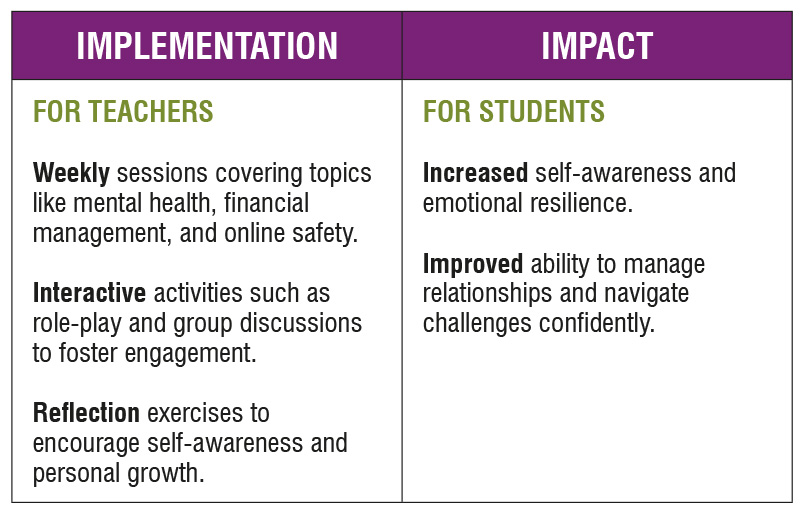
- Interactive Learning: Lessons include group discussions, role-playing, and creative tasks to engage students.
- Practical Projects: Activities such as creating personal action plans for healthy living or designing anti-bullying posters.
- Supportive Atmosphere: Lessons are delivered in a safe and inclusive environment that encourages open dialogue and reflection.
Goals at KS3:
- Build self-awareness, confidence, and resilience.
- Help students understand and manage their emotions and relationships.
- Introduce students to the skills needed for independent living and responsible citizenship.
Key Stage 4 (KS4): Preparing for Adulthood
At KS4, the curriculum deepens students’ understanding of key PSHE themes, focusing on preparing them for life beyond school. Students explore topics in greater depth, with a focus on decision-making, personal responsibility, and future planning.
Core Themes at KS4:
- Health and Well-being:
- Mental health: Recognising triggers, reducing stigma, and understanding where to seek help.
- Managing stress, anxiety, and emotional challenges, particularly around exams and transitions.
- Understanding sexual health, safe relationships, and contraception.
- The impact of lifestyle choices on long-term health, including diet, exercise, and substance use.
- Relationships:
- Understanding consent, boundaries, and respectful relationships in greater depth.
- Exploring the dynamics of romantic relationships, including recognising healthy and unhealthy behaviours.
- Addressing issues such as domestic abuse, coercive control, and exploitation.
- Celebrating diversity and promoting inclusivity, including understanding LGBTQ+ issues and the importance of equality.
- Living in the Wider World:
- Careers and employability: Developing CV writing, interview skills, and workplace behaviours.
- Financial literacy: Understanding payslips, tax, debt, and managing money effectively.
- Preparing for the transition to adulthood, including independent living skills.
- Exploring global citizenship: Understanding environmental issues, sustainability, and human rights.
Approach at KS4:
- Real-Life Scenarios: Students are encouraged to apply their learning to practical situations, such as budgeting for a monthly income or role-playing a job interview.
- Project-Based Tasks: Opportunities for independent and group projects, such as creating a career action plan or researching a social issue.
- Exam Preparation: For relevant qualifications, structured support is provided for coursework and assessments related to PSHE themes.
Goals at KS4:
- Prepare students for the challenges and responsibilities of adulthood.
- Help students make informed decisions about their health, relationships, and future careers.
- Foster independence, resilience, and the confidence to navigate life after school.
SEBD Considerations in PSHE
The PSHE curriculum at Aya College is designed to meet the specific needs of students with SEBD by:
- Providing a Therapeutic Approach: Lessons are structured to reduce anxiety and build self-esteem, with a focus on promoting emotional well-being.
- Adapting Content: Topics are delivered in a way that is sensitive to individual circumstances, with flexibility to address students’ interests and needs.
- Encouraging Engagement: Interactive and hands-on activities are used to maintain interest and promote active participation.
- Creating a Safe Space: A supportive atmosphere encourages students to share their thoughts and feelings without fear of judgement.
Cross-Curricular Links
The PSHE curriculum is integrated with other subjects to reinforce key themes:
- Science: Links to health education, including sexual health, substance awareness, and the effects of lifestyle choices.
- English: Developing communication and reflective writing skills through discussions and personal reflections.
- Maths: Supporting financial literacy, such as budgeting and understanding percentages in savings and loans.
- ICT: Reinforcing lessons on online safety and responsible use of technology.
Assessment in PSHE
While PSHE is not formally assessed like other academic subjects, progress is monitored through:
- Class Participation: Observing engagement in discussions, group work, and activities.
- Self-Reflection: Encouraging students to evaluate their own learning and progress through personal journals or reflection tasks.
- Teacher Feedback: Providing personalised support and celebrating achievements in personal development.
Overall Impact of PSHE at Aya College
The PSHE curriculum at Aya College aims to:
- Equip students with the knowledge and skills to make safe, informed, and positive life choices.
- Support emotional well-being and resilience, helping students manage challenges and transitions.
- Foster respectful relationships and an understanding of diversity and equality.
- Prepare students for the demands of adulthood, including financial independence, career planning, and active citizenship.
By providing a tailored and supportive PSHE programme, Aya College ensures that all students, regardless of their starting point or challenges, develop the confidence, knowledge, and life skills they need to succeed in their personal and professional lives.